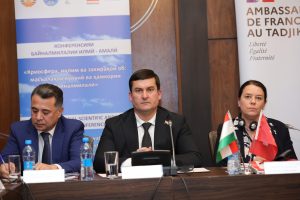


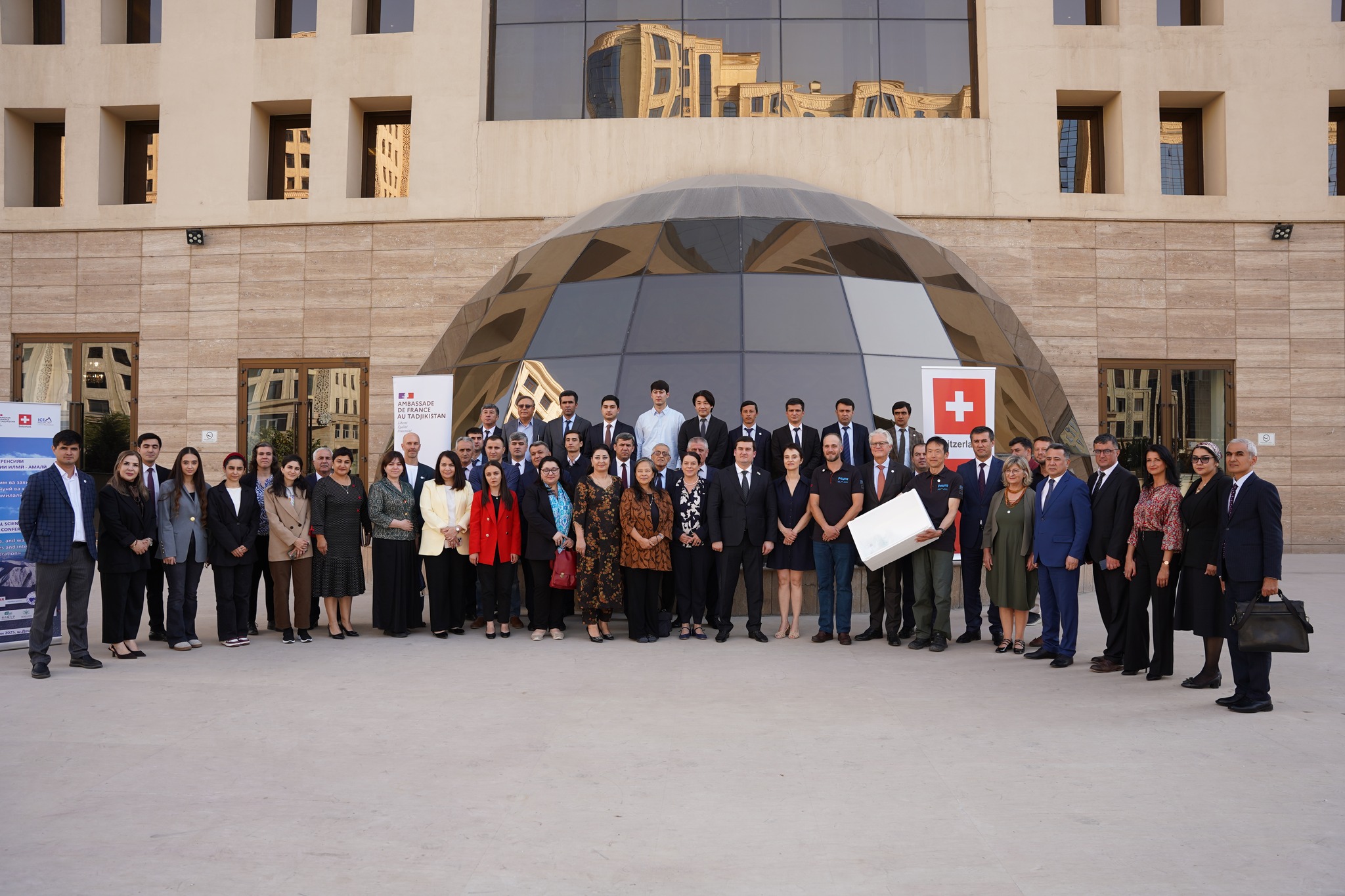
On October 13, at the Hilton Hotel in Dushanbe, an International Scientific and Practical Conference titled
“Cryosphere, Climate and Water Resources: Current Challenges and International Cooperation” was held at the initiative of the State Institution “Center for Glacier Studies” of the National Academy of Sciences of Tajikistan in collaboration with international partners.

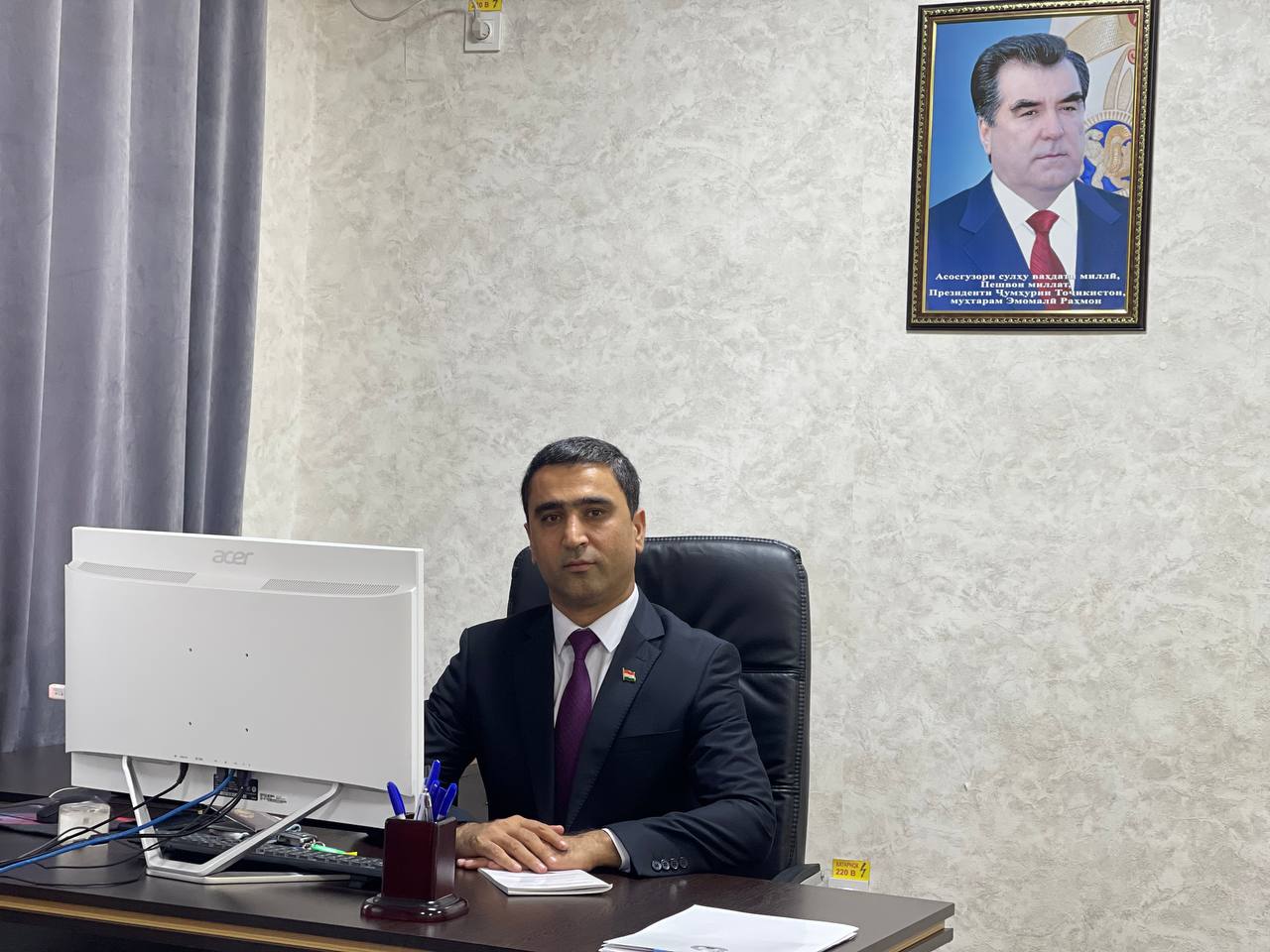
The conference was opened with a welcoming address by Mr. Nazriallo Sheralizoda, Director of the State Institution “Center for Glacier Studies” of the National Academy of Sciences of Tajikistan.
In his opening remarks, President of the National Academy of Sciences of Tajikistan, Academician Kobiljon Khushvakhtzoda, emphasized that the rapid degradation of glaciers has become one of the global crises of the modern era, posing a serious threat to the sustainable future of humanity and long-term development.
It was noted that today the world is witnessing unprecedented melting of polar, mountain, and valley glaciers. According to experts, 2023 recorded the largest annual loss in glacier volume, during which approximately 600 gigatons of freshwater irreversibly entered the World Ocean, contributing to the rise of global sea levels.
It was highlighted that 93 percent of Tajikistan’s territory is mountainous, serving as the source of formation for about 60 percent of the region’s freshwater resources. Results of glaciological observations indicate that over recent decades, glacial retreat has accelerated, with climate change exerting a growing influence on this process.
Analyses and field observations show that in recent decades, the volume of large glaciers within Tajikistan has decreased by up to 30 percent, while many small glaciers have completely disappeared. According to available data, of the 14,000 glaciers registered in 2001, by 2024 more than 1,300 have vanished entirely, a trend that scientists associate with the rise in the Earth’s average surface temperature.
Meteorological analyses demonstrate that in high-altitude regions, air temperatures are increasing while precipitation levels are declining. In contrast, lowland areas experience higher temperatures and increased precipitation, indicating significant shifts in meteorological patterns.
Experts note that as greenhouse gas emissions into the atmosphere rise, economic losses for vulnerable countries will also increase. Moreover, if the global temperature rises by 2°C, it is projected that one-third of the world’s existing glaciers could disappear.
To preserve and protect Tajikistan’s glaciers, the Government of the Republic of Tajikistan is implementing all possible measures. The country has adopted and continues to implement state strategies and targeted programs aimed at protecting the environment and water resources, with particular attention to the impacts of climate change on glaciers.
Currently, the State Program for the Study and Protection of Glaciers of Tajikistan for 2010–2030 is being implemented, focusing on research and conservation of glaciers. In line with the directives of the Government, and considering international initiatives such as the “International Year of Glacier Preservation – 2025” and the “International Decade of Action for Cryospheric Sciences, 2025–2034”, as well as global best practices, the revision and enhancement of this program are planned.
During the continuation of the event, Prof. Thomas Stocker, Chairman of the Ice Memory Foundation; Ms. Denise Lüthi Krishan, Director of the Swiss Cooperation Office in Tajikistan; Ms. Keiko Furuta, Ambassador of Japan to the Republic of Tajikistan; along with other national and international scholars and researchers, delivered their presentations.
In addition, Swiss researchers introduced the “Pamir Project,” which aims to strengthen scientific collaboration with Tajik researchers in the fields of glaciology and climate science.